The Twisted Things People Forget About McDonald's PlayPlaces

Throughout the ‘80s and ‘90s, millions of us enjoyed nothing more than a trip to McDonald’s - and it wasn’t just because of their famous food that kept so many of us hooked. What better way to enjoy a meal with your family than by spending hours running around one of the McDonald’s PlayPlaces?
Just because we might look back with rose-tinted glasses doesn’t mean that they were all they were cracked up to be. In fact, the twisted things people forget about McDonald’s PlayPlaces goes to show they might have been more of a danger than they seemed before the fast food chain quietly started removing them from their restaurants.
McDonald’s PlayPlaces became a hit during the start of stranger danger
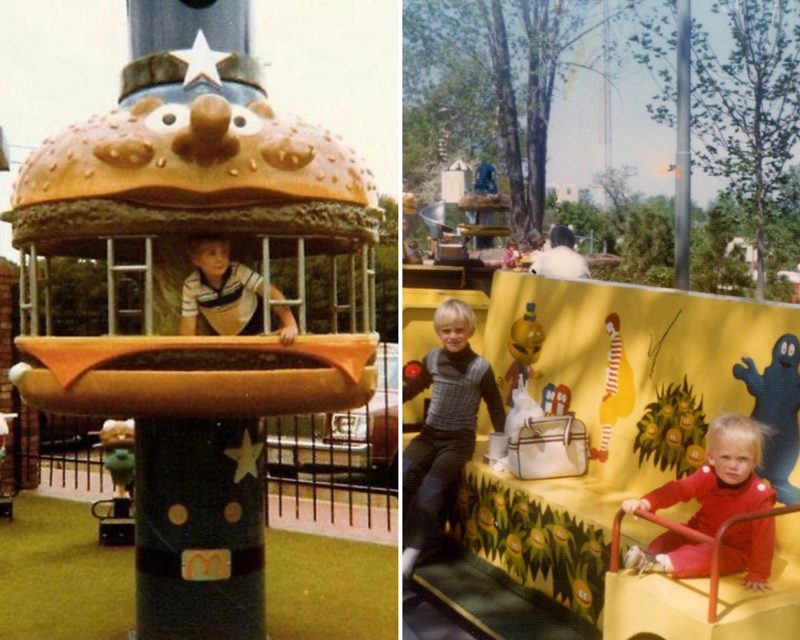
For years, people grew up playing outside for hours on end with their friends without an adult in sight, but things started to take a turn at the start of the ‘70s when stranger danger gripped the nation. Still, that’s what helped the McDonald’s PlayPlaces to thrive. In 1972, a prototype playground in Illinois featured the fast food chain’s famous characters as the main attractions, while food-themed play equipment gave children a place to play that was far safer than the open parks where child abductions were starting to take over. After all, it was fenced in and came with somewhere to eat. What wasn’t to love?
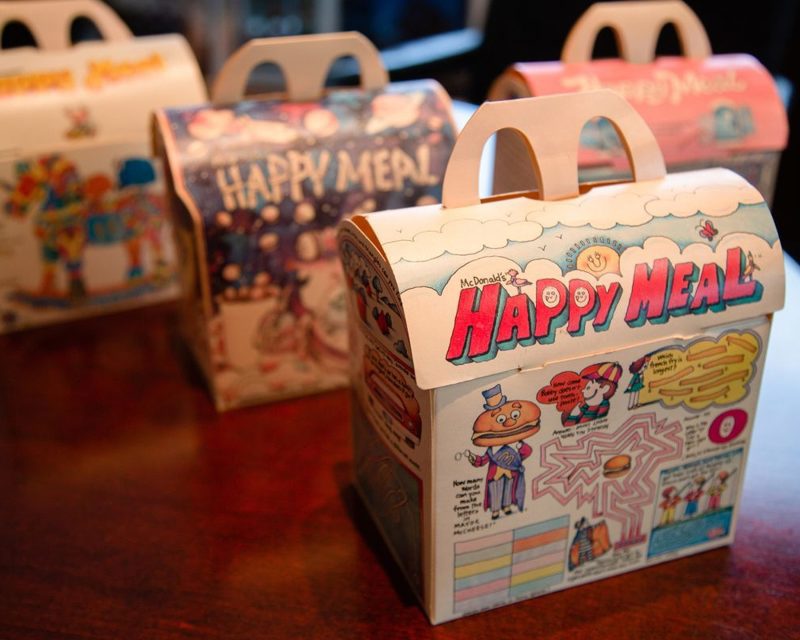
McDonaldland came alongside the Happy Meal in the 1970s
In 1971, McDonald’s took a bold risk when they launched McDonaldland. The fast food-themed land was about to become a key part of the brand, but that wasn’t all. Happy Meals joined the chain by the end of the decade, meaning kids wanted to go to McDonald’s more than ever. After the initial Playlands were a success, McDonald’s rebranded them as PlayPlaces, and they started to spread across the nation as children could swing, climb, and slide alongside their favorite characters. California was home to the first official park, and it saw business increase by over 60% in just a few months. By 1991, McDonald’s had 3,000 PlayPlaces.
McDonald’s PlayPlaces started to take a turn in the ‘80s and ‘90s
For years, the McDonald’s PlayPlaces saw kids enjoy fun in the sun, but after several high-profile child abduction cases and a huge public safety push, most PlayPlaces were moved inside by the ‘80s and ‘90s. Wood and metal were out, and plastic and rubber were in as the famous ball pits started to take over. The problem? In 1986, the screams of four-year-old Dennis Williams stopped the park as he came down one of the remaining metal slides. His hands looked like they were covered in oil, and he was shortly joined by another girl with a huge pink mark on her bare leg. The second-degree burns they suffered were just some of the injuries that started to emerge, with skull fractures, broken bones, and concussions rapidly coming out of the PlayPlaces.
Public relations started to take a turn, and fines were issued
Even though people knew about the McDonald’s PlayPlaces injuries, they were largely kept under wraps. The chain started quietly adding more padding and plastic equipment to make things safer, but the US Consumer Product Safety Commission still caught up in the end. After several injuries and lawsuits, McDonald’s was fined $4 million in 1999 - the largest fine issued by the agency at the time.
Child obesity saw McDonald’s face a ton of public backlash
Of course, nowadays, child obesity is nothing new, but things really took a turn between the ‘60s and 2000s. Child obesity was up over 50%, and many started to point to McDonald’s as one of the leading causes, especially after the documentary ‘Super Size Me’ in 2004. Their aggressive advertising to children didn’t help, and investigations were launched. This uncovered some bigger risks in the PlayPlaces than most of the food on the menu, with a mother and child professor in Arizona revealing a concerningly high range and number of harmful pathogens during a personal test in 2011. It turned out these PlayPlaces might not have even been cleaned at all.
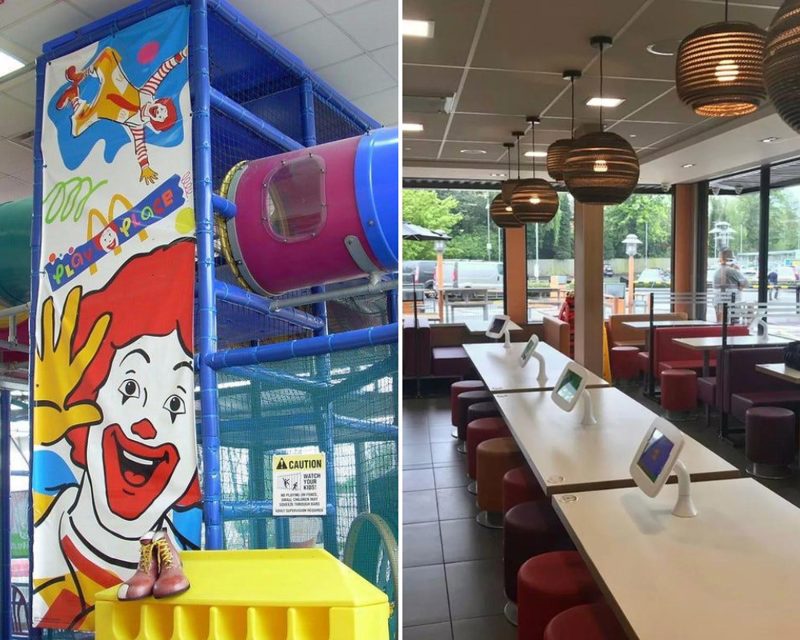
McDonald’s PlayPlaces didn’t face the same standards before they were phased out
There was a reason the McDonald’s PlayPlaces were so dirty. As they weren’t deemed to be food zones, they didn’t have to meet the same cleanliness standards as other areas of the restaurant. Trash went unnoticed. Inspections barely happened. Even needs were reportedly found in certain play areas. McDonald’s was already starting to phase out its PlayPlaces due to the public backlash, and the chain got an entire rebrand throughout the 2010s. Any remaining PlayPlaces that survived shut when the world did in 2020 - and most have never reopened, marking the end of the McDonald’s PlayPlaces for good.
The twisted things people forget about McDonald’s PlayPlaces go to show that things weren’t all sunshine and rainbows when it came to the fast food chain. While it might have been fun, perhaps it’s not so bad they’re now all gone?
You May Also Like
 Society
What Your Elevator Small Talk Says About You
 Society
A Field Guide to Ending a Phone Call Politely
 Society
The Art of Waving Back at the Wrong Person