A Look At How Alberta, Canada, Became Rat-Free

Rats aren’t something that bothers all of us in our everyday lives. However, if there’s one thing most of us probably don’t want to deal with if we don’t have to, it’s a rodent infestation. What if you could live somewhere where you know that will never be an issue?
Taking a look at how Alberta, Canada, became rat-free could be the thing so many places across the world need to consider if they want to keep rats away from cities and out in the open where they should be. So, if you have a fear of rodents, a trip to Canada could be in store.
Alberta, Canada, is the only part of the country to not have rats
Alberta, Canada, is known for many things, but did you know it’s also the only province across all of Canada that is completely rat-free? That’s right; not only are there no wild rats in the province, but you also won’t find anyone keeping a rat as a pet. As if that wasn’t enough, Alberta is also the largest inhabited place on Earth that still has no rats - but it wasn’t always that way. Rats in Canada come from the eastern side of the country, meaning they had a long way to walk to Alberta. They finally arrived in the 1950s, but the government was ready - and they weren’t going to let any rats stay once they crossed the Saskatchewan/Alberta border.
Rats were deemed pests in 1950
Believe it or not, but it wasn’t until fairly recently that rats were actually deemed pests in Alberta, Canada. Things started to change in 1942 when the Agricultural Pests Act of Alberta allowed the Minister of Agriculture to consider any pest as an animal that is likely to destroy livestock or crops. With it came the ruling that any person has the right to eliminate these pests. This also meant that where people didn’t have the means to remove any pests effectively, the provincial government could step in and do the job before charging the municipality or landowner for the costs. This seemed to be enough for years, but in 1950, things took another turn when an amendment meant every municipality was now required to employ a pest control inspector, which just so happened to be the year rats were also named as pests. One year later, pamphlets and posters were sent across Alberta, encouraging everyone to control the rat population before things got out of hand.
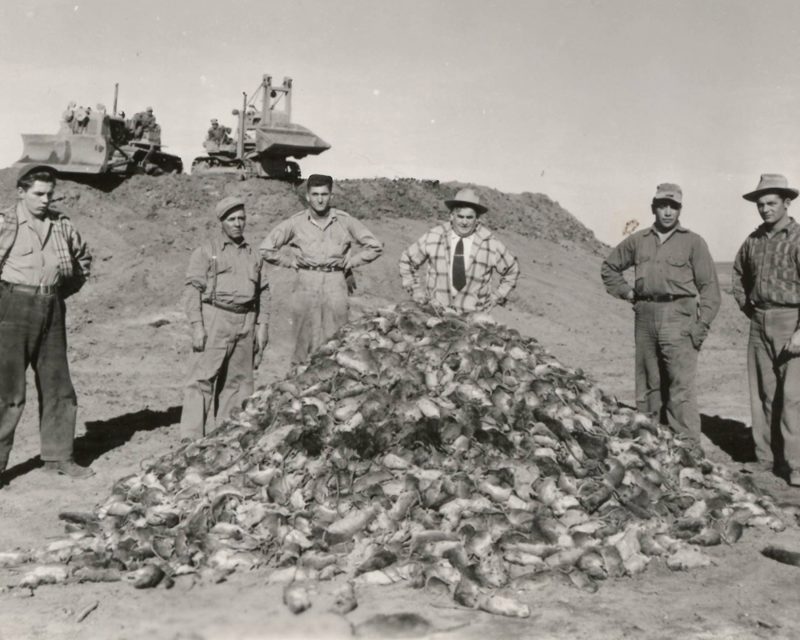
Arsenic was originally used, allegedly without people knowing
Sadly, it seemed the rats were there to stay in Alberta, and no matter how much they tried to keep on top of their numbers, they were fighting a losing battle. That was until June 1952 rolled around. For over a year, over 140,000 pounds of powdered arsenic trioxide was used to cover 2,700 farms and 8,000 buildings across an area 186 miles long and between 12 and 31 miles wide along Alberta’s eastern border, but there was a problem. It’s reported that several residents weren’t informed about the arsenic and were merely told the powder was only harmful to rodents. The reality? It’s said that some pets, poultry, and livestock were poisoned. Thankfully, using arsenic only lasted a little over a year, as Warfarin - the first anticoagulant used to poison rodents - became widely available in 1953, and the side effects from arsenic were a thing of the past.
The Alberta rat infestation dramatically disappeared
The first rat was spotted in Alberta, Canada, in 1950, and things rapidly got out of hand. In fact, just five years later, that number was up to 573. However, after a drastic anti-rat program that vowed to rid the area of the rodents, that number was almost decimated by the time 1959 rolled around. However, that didn’t mean their problem was gone for good. In 1975, the provincial share of expenses for rat control was upped to 100%, and it seems that was all that was needed to see the rodents gone for good. Now, Alberta, Canada, is officially rat-free.
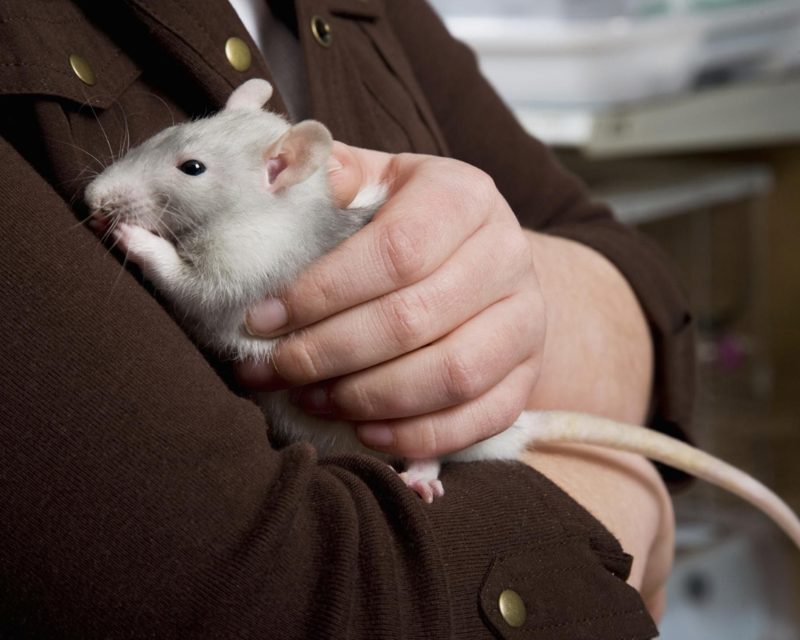
It’s now illegal to own pet rats in Alberta, Canada
Keeping on top of the rodents is no easy task, with a control zone between Cold Lake and Montana now issuing rat inspections across all premises at least once a year. If there are rats found, they will be eliminated, or the buildings will be torn down. Now, it’s completely illegal to own rats in Alberta, except for recognized research facilities, colleges, universities, and zoos. Things took a turn in 2004 when someone released rats into the wild in Calgary. Most had lost their lives when officers arrived as a small posse formed and used various things to destroy the rodents. While no one was ever charged, someone faces up to a $5,000 fine if they’re caught with a pet rat, so this alone could have cost someone up to $190,000.
Taking a look at how Alberta, Canada, became rat-free might sound extreme, but if there’s one thing the locals don’t want, it’s rodents.
You May Also Like
 Society
What Your Elevator Small Talk Says About You
 Society
A Field Guide to Ending a Phone Call Politely
 Society
The Art of Waving Back at the Wrong Person