The Origins Of Medieval Phrases Still Used Today
Have you ever taken a moment to stop and think about where our language came from? You're not alone. However, English might be one of the most complicated of them all. From being jam-packed with unusual phrases and ways to say things to the fact so many of our words are taken from other languages and everything in between, learning English is a real riot.
It turns out a lot of the famous phrases we use today actually started hundreds of years ago. A look at the origins of Medieval phrases still used today go to show just how our language ended up becoming so complicated in the first place. We never said it would be an easy lesson.
The apple of one's eye was all thanks to how people thought eyes worked
Medieval England was a wild time to be alive, with science still leaving a lot to the imagination. People used to think the pupil in our eye was solid and actually resembled an apple. Believe it or not, but this idea actually appears in the Bible and crops up throughout the Old Testament. As our pupils are vital for seeing, people of the time thought they were the most precious part of all, and the "apple of the eye" became a way to refer to a much-loved item or person in our lives.
Going full tilt hails back to the days of jousting
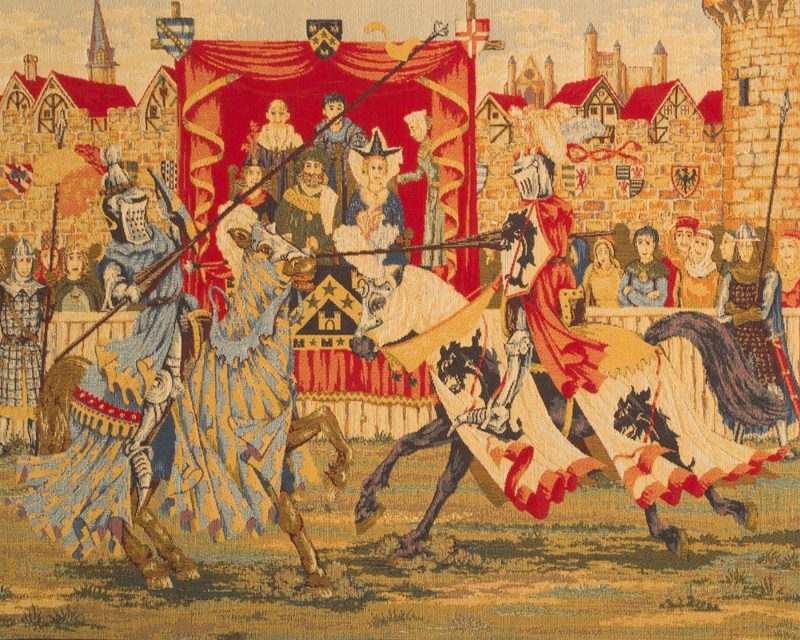
The idea of going full tilt now means going as fast as you can, but that wasn't always the case. Well, sort of. It comes all the way from Medieval jousting matches when two knights would ride their horses at one another while using long poles - their joust - to knock the other out of the saddle. It really was a fun time to be alive. "Tylte" was an Old English word for making something unsteady, so it wasn't long before it was used to describe jousting. "Full tilt" quickly became known as the point when the horses were charging at one another at full speed, with the phrase first appearing in the 1600s.
To throw down the gauntlet goes back to knights challenging others
The meaning of throwing down a gauntlet hasn't changed since Medieval times, as it still meant to challenge someone all those years ago. However, it was actually from the knights who wanted to formally challenge another knight in a bid to defend their honor. The word gauntlet originates from France - and "gantelet" - and means the type of armored glove worn by knights of the time. Once the gauntlet had been thrown, it was up to the opponent to pick it up if they wanted to accept the challenge. Over the centuries, the idea of throwing gauntlets was replaced with gloves and was still widely used up until the 18th century.

Take with a grain of salt comes from adding small amounts of salt to food
It might be a little more recent than Medieval times, but taking something with a grain of salt is still worth an honorary mention. Today, the phrase means being cautious when listening to someone's statement or claims. However, it comes from the idea that adding a small amount of salt to food would make it easier to swallow. It wasn't until Pliny the Elder used the phrase as a way of offering caution when writing a recipe for a remedy against a poison that things took a turn. This came in 77 CE, with the phrase first appearing in modern times in the 17th century. By the time the 20th century rolled around, "grain" was swapped out for "pinch," and it's stuck ever since.
A nest egg is all thanks to Medieval ways of farming
Leaving a nest egg now means having money aside to use in the future, but things were a lot more literal back in the day. In Medieval times, leaving a nest egg was quite literally leaving an egg behind in the chicken coop. The idea was that one egg would be enough to encourage the chickens to continue laying all of their eggs in one place, making it easier for the farmers to collect in the morning.
To sink or swim has a dark history from Medieval times
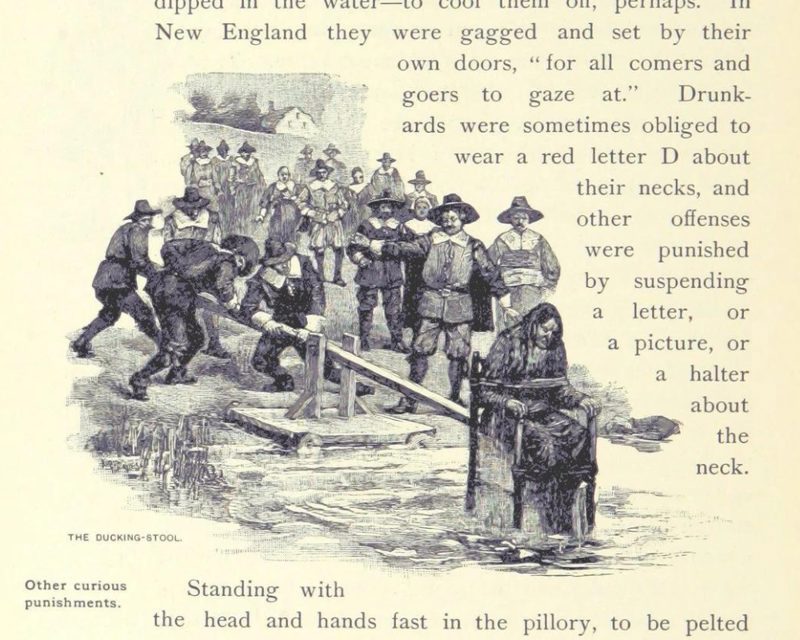
In modern times, if you say that someone is going to sink or swim, it means they're either going to succeed or fail. That was sort of the case in Medieval times, but things were a lot darker. That's because they used to use the water to decide if someone was innocent or guilty, particularly when it came to hunting witches. The idea was that they could be thrown into the water, and if they floated, they were guilty as their sins rejected the purity of baptismal water. If they sank, they were innocent - but usually lost their lives.
The origins of Medieval phrases still used today go to show how not much has changed. However, things might have very different roots in language than some of us ever realized before.
You May Also Like
 Society
What Your Elevator Small Talk Says About You
 Society
A Field Guide to Ending a Phone Call Politely
 Society
The Art of Waving Back at the Wrong Person