Did You Know Crocodiles Can Gallop?

Alligators might have been seeing us later for generations, but what about their friend in a while, the crocodile? Let’s face it; they have never had the friendliest of reputations, with plenty wanting to stay as far away from them as possible. The problem? When it comes to the water, you never know when a croc is around.
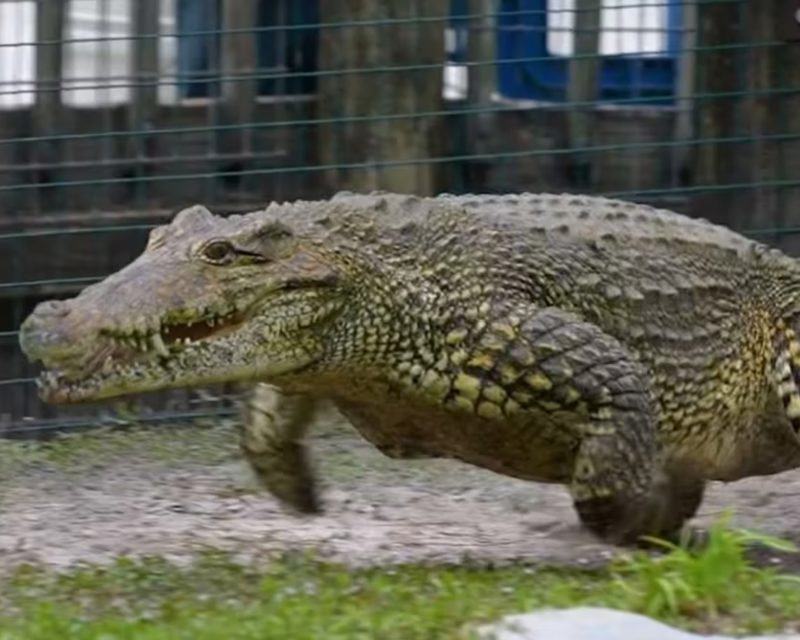
It turns out they might be even more incredible - and nightmare-inducing - than we ever realized. Did you know crocodiles can gallop? No? Neither did scientists until recent years, with studies showing that plenty of crocs make use of the gait we once thought was reserved for much calmer species.
Alligators and caimans seemingly can’t gallop
For years, scientists have been looking at what arguably are the closest thing to living dinosaurs we have on the planet: crocodiles. They have been around for millions of years and have come a long way, but researchers have long believed only a couple of species could gallop. Now, a new study shows that at least eight different species make use of the unusual gait. While they might look similar, the study also looked at alligators and caimans. The problem? They can only get up to a trot.
The crocodile might have learned to gallop from an ancestor
The study shows that more crocodiles can gallop than people ever realized, leading researchers to take a closer look at an ancient ancestor. This came in the form of the crocodylomorphs, land-dwelling creatures who were around the size of cats and came with pretty long legs. Although it was a surprising find and one most didn’t see coming, the experiment showed that most crocodiles can top speeds of 11 mph, regardless of their size.
Crocodiles likely use galloping as a way to avoid danger
Of course, the question on most people’s minds is why do crocodiles gallop in the first place? To start, not every species does. The bigger species seem to prefer the offensive approach, but smaller crocs appear to make the most of the extra maneuverability and acceleration as a way to get away from danger. On the other hand, alligators and caiman are more known to stand their ground and fight whatever might be looking to cause them harm.
The Cuban crocodile might be the largest galloping croc
Just because plenty of crocodiles can gallop doesn’t mean they all make use of the extra gait. In the study, it seems to show that the Cuban crocodile - reaching lengths of over six-and-a-half feet long - is the largest species to gallop. This might make more sense when you know they spend a lot of their time on land, meaning they are around several more threats. The Cuban crocodile is also known to be one of the most aggressive species of crocs on the planet, with the gallop coming in useful for when they need to attack.
The study proved just how different crocs and alligators are
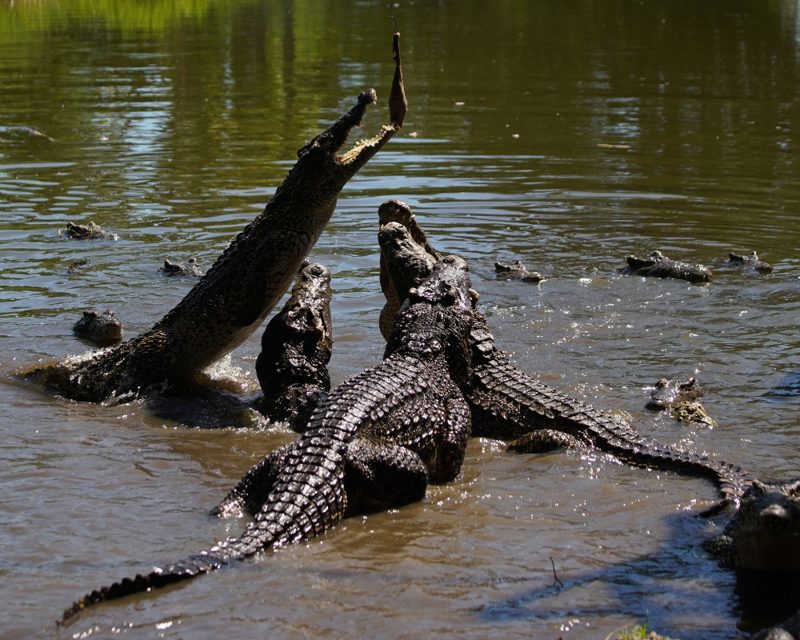
Amazingly, galloping might be one of the most energy-efficient ways of getting around, with other studies proving that some spiders and toads even make use of the gait. However, the study did go to show just how many differences there are between crocodiles and alligators and caimans. The team used 42 individuals from 15 species and placed them all at the end of a runway before coaxing them to run to the end. Every animal got there differently. Still, one thing was clear, the caimans and alligators were far more likely to fight and hiss than to ever think about breaking into a light job, let alone a gallop.
Did you know crocodiles can gallop? Probably not, but it’s a terrifying fact you can take with you for the rest of your life. Thankfully, it seems most crocs use their previously undiscovered gait as a way to run away from us instead of hunting down their latest meal, not that we’re sure that makes it any better.
You May Also Like
 Society
What Your Elevator Small Talk Says About You
 Society
A Field Guide to Ending a Phone Call Politely
 Society
The Art of Waving Back at the Wrong Person