The Little-Known Facts About The Incredible Tiger

We’re all familiar with tigers, right? While we might not all have encountered one before, we probably know what they look like and how ferocious they can be. Is that the extent of our knowledge about these animals, though? It’s certainly not all there is to know about these creatures, but the rest of that information isn’t necessarily common knowledge.
Fortunately, we’ve done some digging into the little-known facts about the incredible tiger so that you can learn a bit more about these intriguing animals. You may well be surprised by what there is to learn because some of these facts certainly caught us off-guard.
The stripes on a tiger are unique to each animal
One of the most identifiable parts of a tiger is their black stripes. Well, it’s hard not to notice them when the rest of their fur is a lighter shade. However, did you know that no tiger has the same set of stripes? Apparently, these things are like fingerprints in that every animal has a formation that’s unique to them. So, if you spent enough time around these creatures, you could probably learn to identify who’s who just by looking at their stripes. Just make sure to keep your distance if they’re in the wild, though.
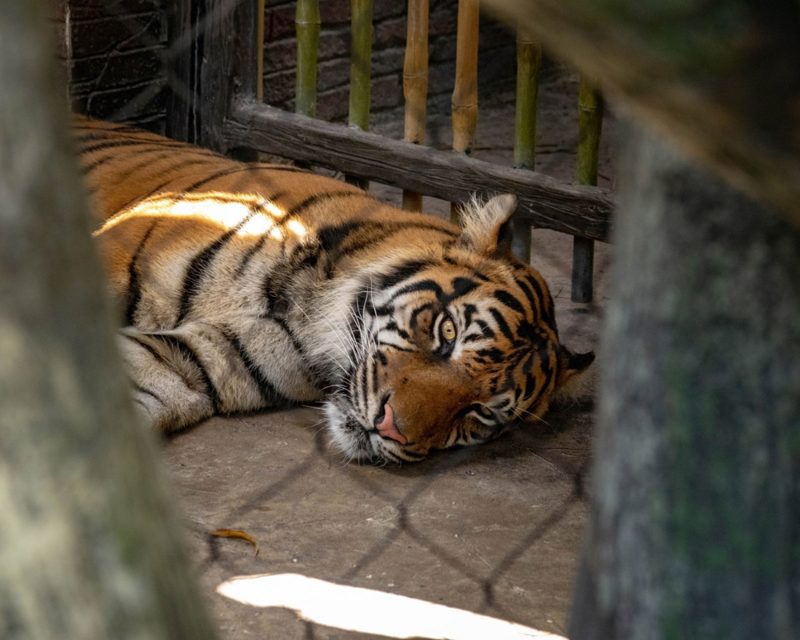
There are much more tigers in captivity than in the wild
Speaking of tigers in the wild, were you aware that there are fewer of these animals out there than it may seem? According to the WWF, there are only around 4,500 tigers or so in the wild, with some estimates putting the figure even lower. Whatever the number, it’s much smaller than the amount that live in captivity. Supposedly, most tigers out there live in roadside zoos, circus wagons, and other such places rather than their natural habitats. As a result, the species is actually considered endangered, with the fear they could become extinct sooner rather than later.
Three subspecies of tiger have already gone extinct
While the tiger as an animal is not extinct yet, there are some subspecies of this creature that don’t exist anymore. Apparently, there was once a time when this world was home to nine different subspecies of tiger. Unfortunately, three of them - the Bali, Caspian, and the Javan - have now all gone extinct. The South Chinese tiger, meanwhile, is reportedly extinct in the wild, with some of these animals still alive in captivity. That just leaves the Bengal, the Indochinese, the Malayan, the Siberian, and the Sumatran tigers as the only ones still around in the wild.
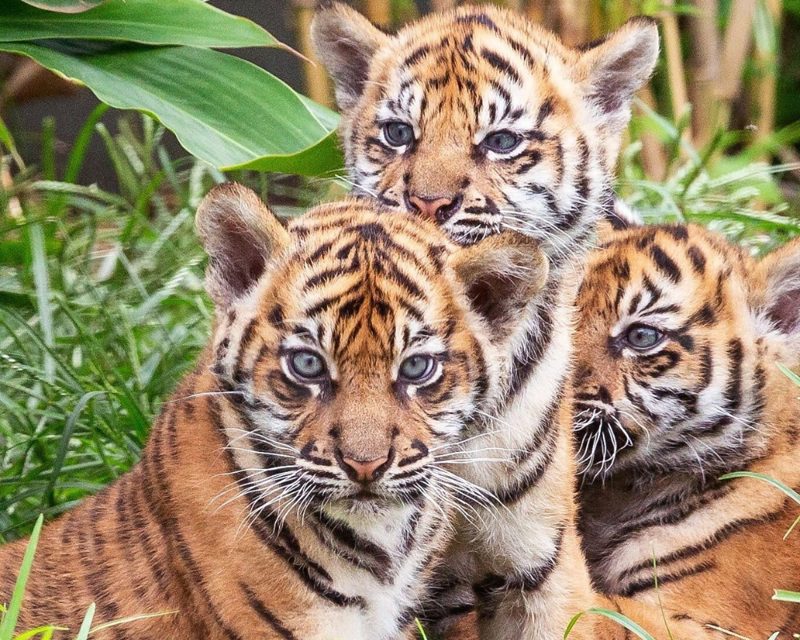
Plenty of cubs don’t survive because the mom can’t provide enough food
One of the reasons tigers aren’t as prevalent as they could be is that a surprising number of cubs don’t actually live that long. Supposedly, it’s only common for around half of the litter to actually survive. As a tiger can reportedly produce as many as seven cubs, that means only three or four make it to adulthood. The reason for this is that the mother is unable to catch enough prey to feed everyone when she’s busy looking after her kids. If there’s not a male providing regular food to the family, some of the cubs sadly starve because there isn’t enough to go around.
A tiger’s average lifespan is between 10 and 15 years
Humans definitely don’t have the longest average lifespan of any animal on the planet. However, we do typically live longer than many creatures out there, including the tiger. Apparently, these animals tend to live between ten and 15 years, making them very similar to dogs. Despite effectively being large cats, plenty of these household felines can actually outlive tigers by several years. Of course, human intervention probably has something to do with that. We’re pretty sure that if something happens to a tiger, there isn’t a veterinarian it can take itself to.
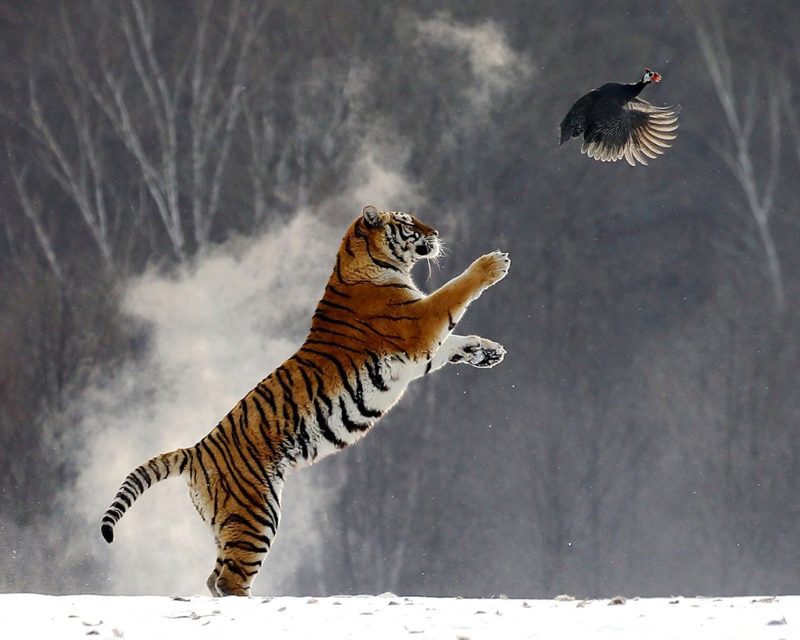
Male tigers let their families eat before they do
We don’t necessarily look at tigers and immediately think of them as gentlemen. After all, would a gentleman hunt and feast on other animals the way that these creatures do? However, tigers do actually have some manners, especially when it comes to their families. Apparently, when they catch food and bring it back, they wait for their cubs and partner to have their fill first before eating themselves. Luckily, they usually catch enough to ensure there’s still plenty of meat left for them to enjoy. So, it’s not like they’re stuck with the scraps that no one else wants.
Now that we know more about these animals, it’s hard not to want to do more to protect them. While they might be pretty capable of looking after themselves in adulthood, we need to do something if we don’t want them to end up extinct.
You May Also Like
 Society
What Your Elevator Small Talk Says About You
 Society
A Field Guide to Ending a Phone Call Politely
 Society
The Art of Waving Back at the Wrong Person