Forgotten Writers Of Color Who Changed Their Entire Countries
Plenty of people have their favorite authors, but what about the lesser-known people behind some of the world's best work? The 19th and 20th centuries were full of unrest. Europe was collapsing at points, people were ripped from their homes, the US faced the Great Depression, and we had two World Wars to contend with.
While it felt as though the world would never be the same for a time, some writers managed to use the power of words to change things in ways that seemed unimaginable. Now, it's time for the forgotten writers of color who changed their entire countries to get the recognition they deserve.
Eugenio María de Hostos used his work to spread the word of liberating countries from Spain
Born in 1839 was Eugenio María de Hostos, a Puerto Rican advocate, educator, and writer. As well as writing some of the most important works from his time - including 'La peregrinación de Bayoán' - Hostos was vital in helping the liberation of the Dominican Republic, which was still controlled by Spain at the time. Hostos actually spent a lot of time studying and working in Spain but left the nation when they refused to grant Puerto Rico self-governance, moving to the US instead to work at a newspaper dedicated to Cuban independence. The rest of the author's life was spent using his work, including books, plays, and articles, to liberate nations still controlled by Spain. Although he never saw the three countries he spent so long fighting for gain their full independence, Hostos was the one who really changed the conversation around plenty of nations' personal identities and spent every day fighting for what he believed.
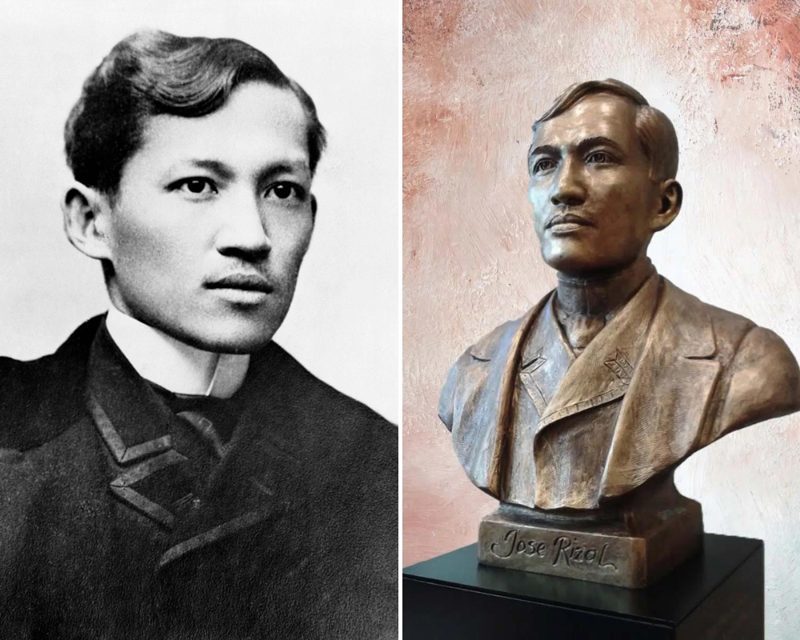
José Rizal is now studied in universities across the Philippines
Being born in 1861 saw José Rizal partly pick up where Eugenio María de Hostos left off. At the time, the Philippines were still controlled by Spain, and Rizal was one of the many who wanted to see that change. He moved to Europe in 1882, where Rizal finally released his first novel. 'Noli Me Tángere' was a brutally honest account of his home nation, with the book quickly getting banned in the Philippines. Although he tried to return home, things were so bad for the author that he promptly had to leave again. Very few copies of Rizal's books ever made it to the Philippines, and any that did were burned, but that didn't stop him from spreading his truth. Rizal wrote several novels about what was happening to his loved ones, even forming an organization called La Lifa Filipina in the process. In 1896, Rizal was supposed to be working as a Cuban doctor in the army but was sent back to the Philippines, where he was executed. Freedom from Spain came two years later, with total freedom coming in 1946. Now, Filipino law states students at most universities must study Rizal and everything he did for the nation.
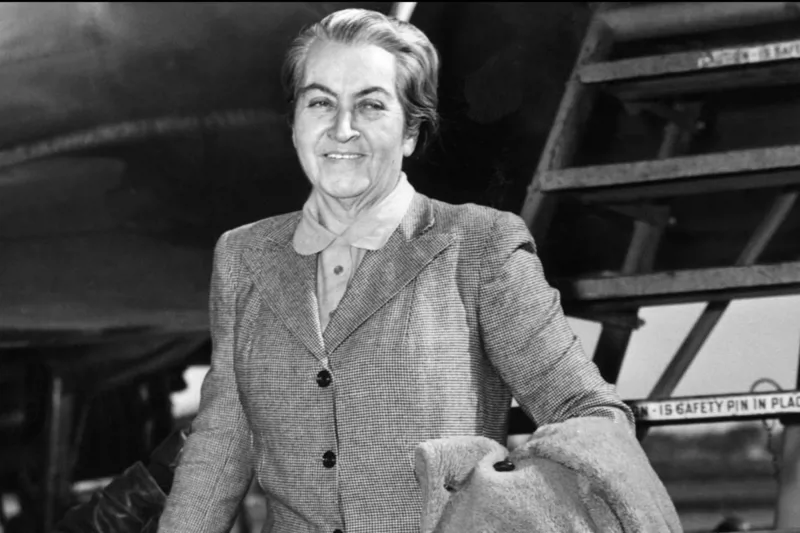
Gabriela Mistral is still praised for starting conversations about social issues
Gabriela Mistral was born in Chili in 1889 and eventually became the first Latin American author to win the Nobel Prize in Literature, thanks to her incredible dedication to her work. Although her father practically abandoned his family when she was younger, Mistral took a lot of inspiration from his work as a teacher and poet. It wasn't long before she left her hometown to write about the realities the poor, children, and women faced back home. From poems to short stories to articles, Mistral was constantly open about her life and saw her bring some of the biggest tragedies happening at the time to the limelight. Even today, Mistral's work is praised for the attention it gave to social issues affecting women at the time, especially as they were expected to keep quiet about these subjects during her lifetime.
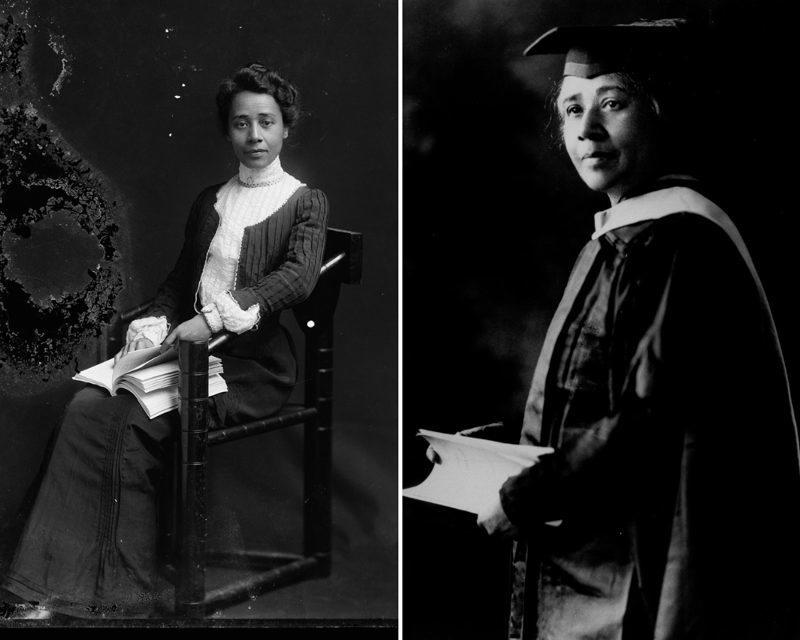
Anna J. Cooper was one of the leading faces fighting for equal rights for women of color
Although she was born in North Carolina into slavery, nothing stopped Anna J. Cooper from becoming an activist, educator, and writer throughout her life. In fact, her 1892 novel 'A Voice from the South by a Black Woman of the South' has long been praised for her work toward feminism. Anna was born in 1858, and it wasn't long before she became the fourth woman of color to receive a Ph.D. in the US. Amazingly, Anna was also way ahead of her time. Troubles between different races at the time were huge, and she spent most of her years talking about inequality and intersectionality years before the word even existed. From fighting for the rights of women of color and teaching those around her how to expand their minds and gain the respect they deserved, Anna was one of the biggest influences on the movements taking place at the time.
The forgotten writers of color who changed their entire countries might be gone, but the work they did for the world will never be lost to the history books. Instead, it's time to give them the fame and recognition they truly deserve.
You May Also Like
 Society
What Your Elevator Small Talk Says About You
 Society
A Field Guide to Ending a Phone Call Politely
 Society
The Art of Waving Back at the Wrong Person